
Broken Garage Door Cables in Auckland: Why They’re Dangerous
Broken Garage Door Cables: The Silent Failure That Leaves Your Door Stuck (or Dangerous)
Most Auckland homeowners only notice their garage door cables when something goes wrong. One day the door opens fine. The next, it hangs crooked, refuses to lift, or drops with a worrying thud. Garage door cables are one of those parts that work quietly in the background… until they don’t.How Garage Door Cables Work with the SpringsOn a typical sectional, the torsion springs (the big coiled springs above the door) do the heavy lifting. They store energy so the door feels almost weightless when you open it. The cables play a critical supporting role. They run from the bottom corners of the door, up the sides, and wind around drums at each end of the spring shaft. When the springs turn, the drums wind or unwind the cables. This keeps the door balanced and level as it travels up and down the tracks. In simple terms:
- Springs provide the lifting power
- Cables keep everything even and controlled
If one cable snaps or stretches badly, the door becomes unbalanced. One side lifts while the other stays put, or the whole door can drop suddenly.Common Causes of Cable Failure in Auckland HomesCables don’t usually fail overnight without warning. In Auckland conditions, several things speed up the process:
- Wear and tear from daily use – Every open and close cycle puts stress on the cables. After years of service they can fray or thin out.
- Corrosion from salt air and humidity – Homes closer to the coast or in higher-humidity suburbs see cables rust and weaken faster.
- Previous spring issues – When a spring starts to lose tension or breaks, it puts extra load on the cables and opener.
- Impact or misalignment – A door that’s been hit, knocked off its tracks, or has worn rollers can pull unevenly on the cables.
- Age – Many original cables on doors older than 8–10 years are simply past their best.
Why a Snapped Cable Is an EmergencyA broken garage door cable is not something to leave until the weekend. Here’s why:
- The door can become extremely heavy – Without balanced cables, the full weight of the door can rest on one side or on the opener. Trying to force it open or closed is dangerous.
- Risk of the door falling – An unbalanced door can drop suddenly. This is a serious safety hazard, especially if kids, pets, or vehicles are nearby.
- Further damage – Running the opener with a broken cable Will damages the motor, tracks, or the remaining cable.
- Security risk – A door that won’t close properly leaves your garage (and often the house) more vulnerable.
In short: a snapped cable turns a working door into a potential hazard very quickly.Warning Signs Your Cables Are FailingKeep an eye (and ear) out for these:
- Door looks crooked or sits unevenly when closed
- One side lifts higher than the other
- Fraying, rust, or visible wear on the cables
- Loud popping, grinding, or scraping noises
- Door feels much heavier than usual when operated manually
- Opener struggles or stops part-way
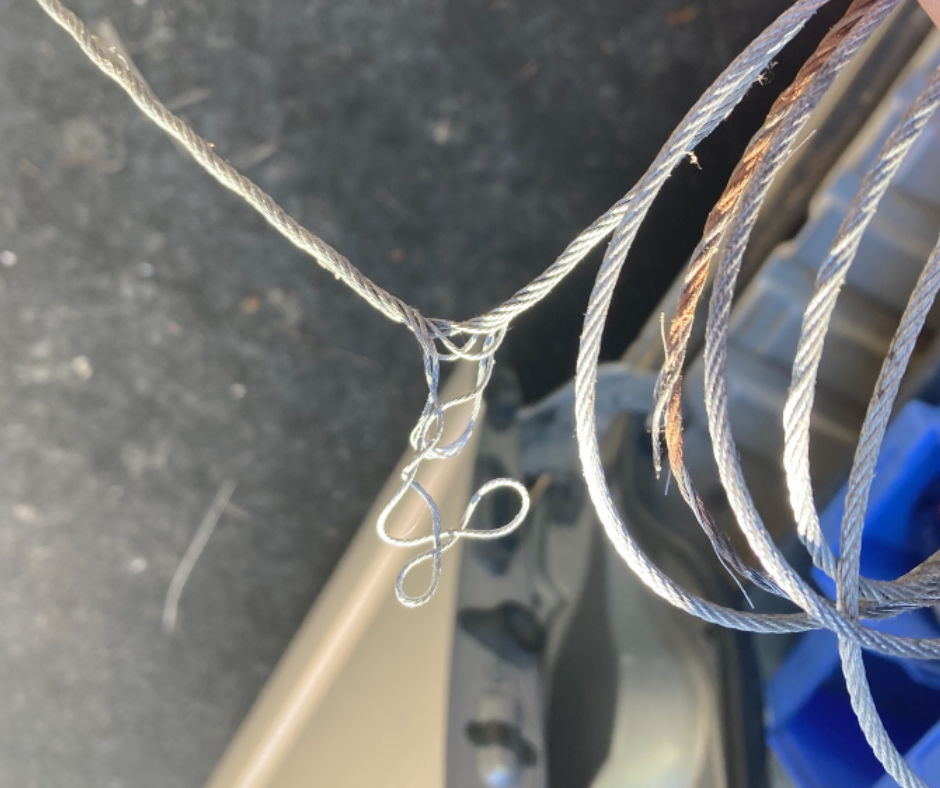
If you notice any of these, stop using the automatic opener and get it checked.What You Should (and Shouldn’t) DoDon’t try to replace the cables yourself unless you have the proper tools and training. Garage door systems are under high tension. A mistake can cause serious injury. Do call a professional who carries the correct cable sizes and understands how to rebalance the door properly after replacement. In most cases the job can be completed in a single visit once the right parts are on hand. Regular servicing every couple of years catches worn cables early — before they snap and create a bigger (and more expensive) problem.
If your garage door is sitting uneven, making unusual noises, or one side won’t lift properly, it’s worth getting it looked at sooner rather than later. A quick inspection can confirm whether the cables are the issue and stop a small problem turning into a dangerous one. Got questions about your specific door? Feel free to get in touch.